Burst pipe flooding a finished basement
We shut the supply, pump the standing water, extract carpet and pad, and cut out saturated drywall below the flood line so the wall cavity can dry. Dehumidifiers and air movers run until framing reads dry.
When a pipe bursts or your basement takes on water, water extraction Newark NJ from SwiftReclaim gets the standing water out before it reaches your drywall, insulation or subfloor. We run truck-mounted extractors, commercial dehumidifiers and air movers through every room, then meter the moisture until the structure reads dry. One call, one crew, one invoice - and we answer the phone at 2 a.m.
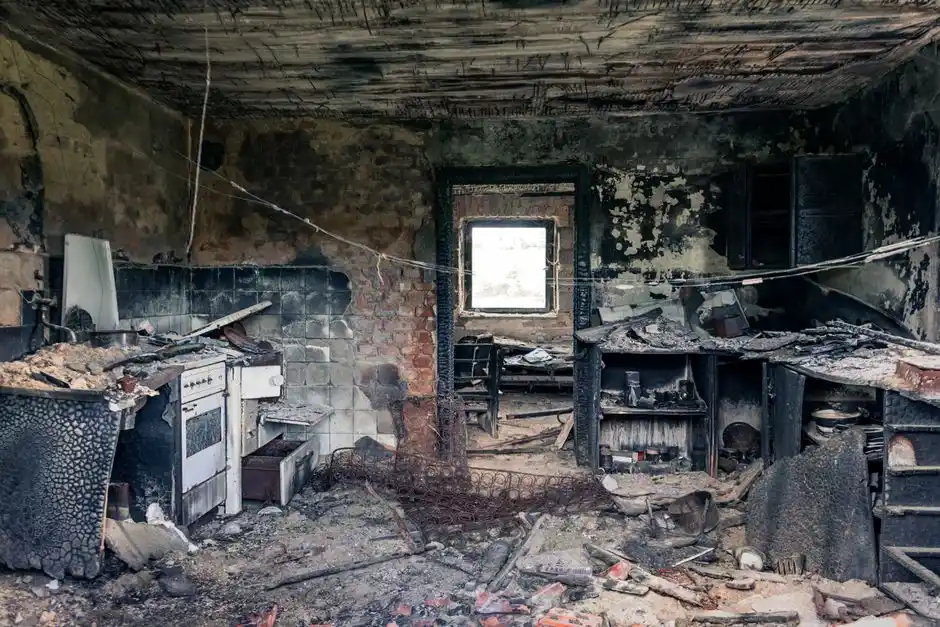
Water extraction Newark NJ is the mechanical removal of standing and trapped water from a building using pumps, extractors and drying equipment - the first step that stops a leak from turning into rot, warped floors and hidden mold growth. We start with a moisture meter and thermal imaging camera to map how far the water traveled, because water almost always runs farther than the puddle suggests. Then a submersible pump or truck-mounted water extractor pulls the bulk of it out, and we follow with weighted extraction on carpet and pad.
In Newark, most of our calls come from three directions: burst pipe failures in older iron and galvanized plumbing, sump pump failure during heavy rain, and sewage backup in basements below street grade. Buildings in the Ironbound, Central Ward and University Heights often share walls and have finished basements, so water moves sideways into neighboring units fast. That is why emergency water extraction Newark has to start the same day - every hour of standing water adds roughly a day of drying time.
Every extraction job we run in Newark includes the full package below - not a stripped-down version where drying and documentation cost extra. If your situation needs something beyond this, we tell you before we start and price it separately.
A live dispatcher, a crew on the road, and isolation of the water source on arrival. If it is a burst pipe, we shut the valve. If it is a sump pump failure, we note it for the repair scope.
Thermal imaging camera and moisture meter readings across floors, walls and ceilings to find every wet zone, including the ones you cannot see. We mark the boundaries so nothing gets missed.
Submersible pump for deep water, truck-mounted extractor and weighted heads for carpet and pad. We lift carpet where needed so the pad and subfloor can dry.
Commercial dehumidifiers and air movers placed to ANSI/IICRC S500 calculations, running 24 hours a day with daily moisture readings logged until dry standard is reached.
Antimicrobial solution applied to affected surfaces, and HEPA air scrubbers or negative air machines deployed when the water was contaminated or the space is occupied.
Photos, moisture logs, material lists and an Xactimate scope delivered to you and your adjuster. Everything your claim needs to move without a second inspection.
You call (973) 973-2565 and reach a person, not a voicemail. We ask what flooded, roughly how much water, and whether the source is still running. A crew rolls toward your address with pumps and extractors already loaded, typically arriving within 60 to 90 minutes anywhere in Newark.
On arrival we shut down or isolate the water source if it is still active, then walk the space with a moisture meter and thermal imaging camera. We mark wet zones on the floor and walls, check the ceiling below bathrooms, and confirm whether the water is clean, gray or contaminated. This takes 20 to 30 minutes.
A submersible pump handles deep standing water in basements and crawl spaces. Once the level drops, we switch to a truck-mounted water extractor and weighted extraction heads to pull water out of carpet and pad. Most residential jobs are down to damp surfaces within two to four hours.
We set commercial dehumidifiers and air movers in a calculated pattern based on room size and material type, following ANSI/IICRC S500. Equipment runs 24 hours a day, and we return daily to log moisture readings. A standard Newark basement dries in three to five days.
When readings match dry standard, we pull the equipment, take final photos, and walk you through what dried, what was removed, and what needs repair. You get the full documentation package for your insurer, plus a clear list of any replacement flooring or drywall work still ahead.
Purpose-built equipment, used by trained technicians — so the job is done accurately the first time.
Pulls hundreds of gallons per hour from carpet, pad and hard surfaces. It is the workhorse for any job with more than a puddle.
Handles deep standing water in basements and crawl spaces where an extractor head cannot reach. Runs continuously until the level drops enough to switch tools.
Removes moisture from the air so wet materials can release water. Sized to the cubic footage of the affected space, not guessed.
Creates high-velocity airflow across wet surfaces to speed evaporation. Placement follows a calculated pattern based on room dimensions and material type.
Finds water you cannot see and verifies when materials are actually dry. Every job gets daily readings logged against dry standard.
Filters airborne particles and maintains containment when water was contaminated or mold is present. Essential on sewage backup and category 3 jobs.
Looks inside wall cavities and under floors without tearing everything open. It tells us whether a wall needs to be opened or can be dried in place.
A supply line under a kitchen sink let go at 11 p.m. and ran for hours. Water covered the kitchen floor, soaked the carpet in the adjacent room, and pooled in the basement below. The homeowner found it when she woke up.
We extracted 180 gallons, removed the saturated carpet and pad, and set 6 air movers and 2 dehumidifiers. Moisture readings hit dry standard in four days. Only the baseboard and a section of drywall needed replacement.
A sump pump died during a two-day rain event and the finished basement took on four inches of water. The carpet was saturated, the bottom of the drywall was wet, and the space smelled like a wet basement within a day.
We pumped and extracted the standing water, cut out the wet drywall below the flood line, treated the concrete and framing with antimicrobial solution, and ran HEPA scrubbers. The basement dried in five days and the odor was gone.
A toilet overflow ran across a bathroom and hallway, soaking the hardwood floor and the subfloor beneath. The homeowner was ready to replace the entire floor.
We extracted within two hours, placed floor drying mats and low-humidity air, and logged moisture readings daily for six days. The boards cupped slightly and then flattened back. We replaced three boards at the threshold and refinished the area.
Most of our calls fall into a handful of patterns. Here is what we see across Newark and how we handle each one.
Ask a pro →We shut the supply, pump the standing water, extract carpet and pad, and cut out saturated drywall below the flood line so the wall cavity can dry. Dehumidifiers and air movers run until framing reads dry.
We extract, remove silt and debris, apply antimicrobial solution, and dry the space. We also check the sump pit and discharge line so we can tell you exactly why it failed before the next storm.
We contain the area, remove contaminated materials, extract and disinfect, then run HEPA air scrubbers. Disposal follows NJ DEP regulations, and we document the whole process for your claim.
Thermal imaging traces the water path back to the entry point. We extract, remove wet insulation, dry the ceiling assembly, and tell you what the roofer needs to fix.
Most residential water extraction jobs in Newark run $350 to $1,200, and a small single-room extraction can land near $250. Price depends on how much water there is, whether it is clean or contaminated, how many rooms are affected, and how many days of drying equipment you need. Sewage backup and category 3 water cost more because contaminated materials have to be removed and disposed of properly. We give you the number before we start.
SwiftReclaim does, and we cover every Newark neighborhood - Downtown, Ironbound, Weequahic, Forest Hill, Vailsburg, Roseville and the rest. Call (973) 973-2565 and a live person picks up, day or night. We serve ZIP codes 07102, 07103, 07104, 07105, 07106 and 07107, plus the surrounding Essex County area.
Yes. We use weighted extraction heads that press down while pulling water, which removes far more moisture from carpet and pad than a standard wand. After extraction we lift the carpet where needed, dry the pad separately or replace it, and run air movers underneath. Most carpet that gets extracted within 24 to 48 hours can be saved; carpet sitting in sewage backup water usually cannot.
Often, yes, if we get there fast. Hardwood starts cupping and crowning within about 48 hours of saturation, so same-day extraction plus controlled drying gives you the best shot. We use floor drying mats and low-humidity air to pull moisture out slowly and evenly. Boards that have already buckled or delaminated get replaced, but we save the rest of the floor and match the new pieces to it.
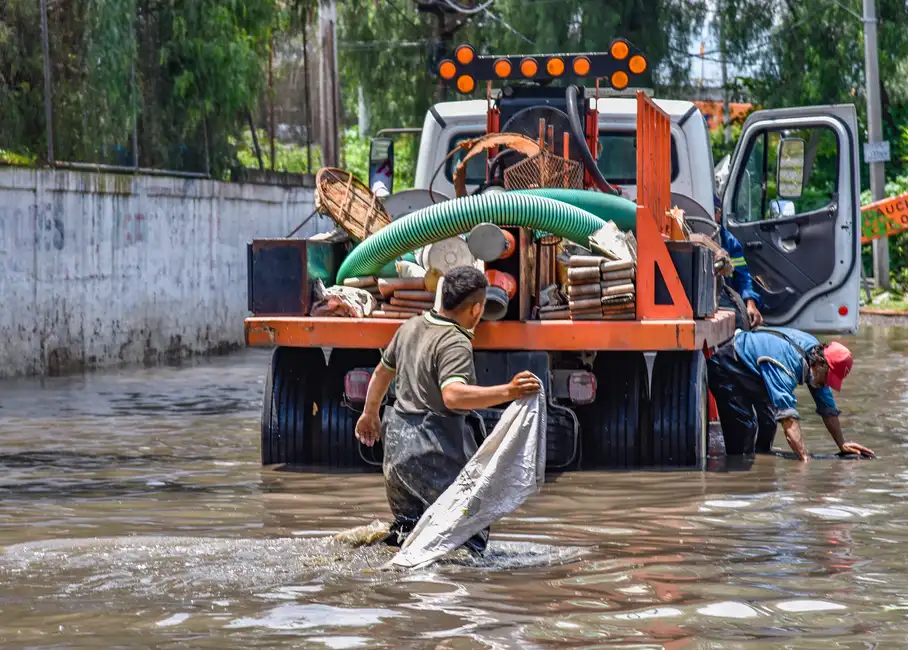 Flood Restoration ServicesWhen storm water or a river surge pushes into your building, extraction is only the first phase. We pump, dry, sanitize and rebuild, and we handle the insurance scope from start to final walkthrough so you are not coordinating four separate contractors.Explore →
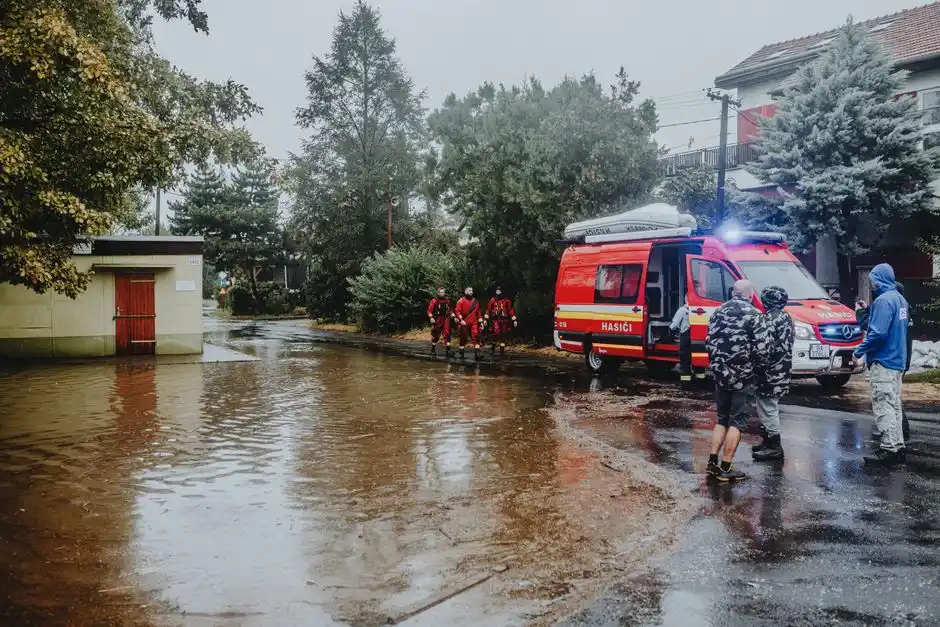 Emergency Water RemovalActive leaks and burst pipes need water out now. Our emergency crews roll 24/7 with pumps and extractors already loaded, isolate the source, and start removing water within minutes of arrival anywhere in Newark.Explore →
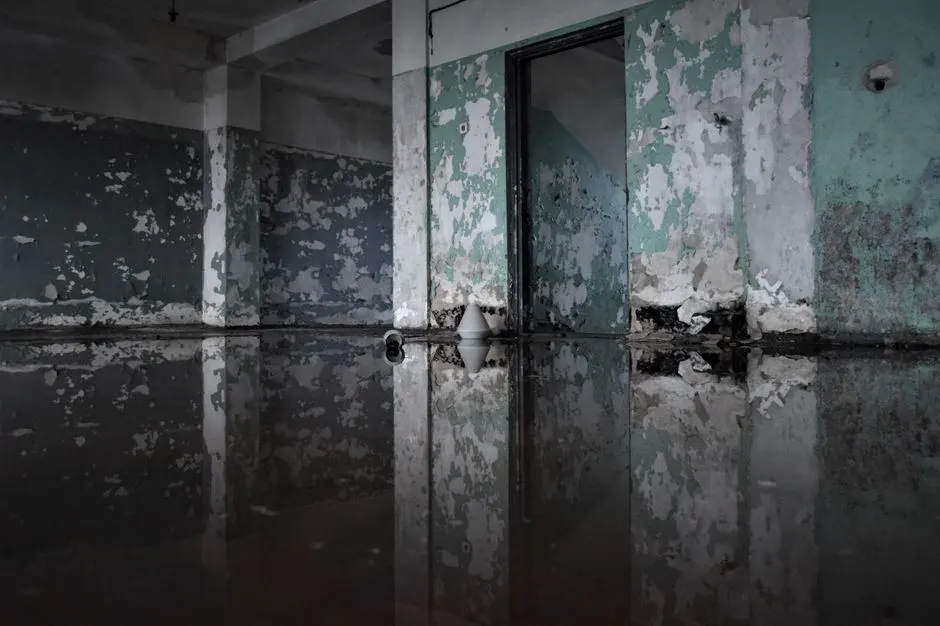 Mold Remediation After Water DamageMold can colonize a wet wall in 24 to 48 hours. If extraction was delayed, we test, contain the area with negative air machines, remove affected materials, and treat surfaces under our New Jersey Mold Remediation Contractor License.Explore →
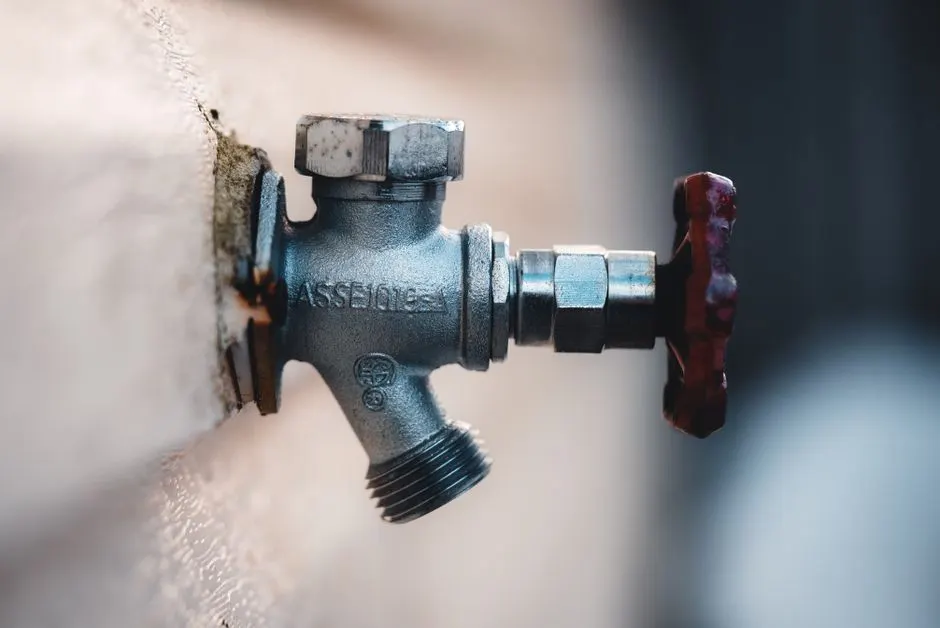 Water Leak RestorationSlow leaks behind walls and under sinks cause damage that never shows up as a puddle. We use thermal imaging and moisture meters to find the wet zone, dry it out, and repair the drywall and finishes the leak ruined.Explore →
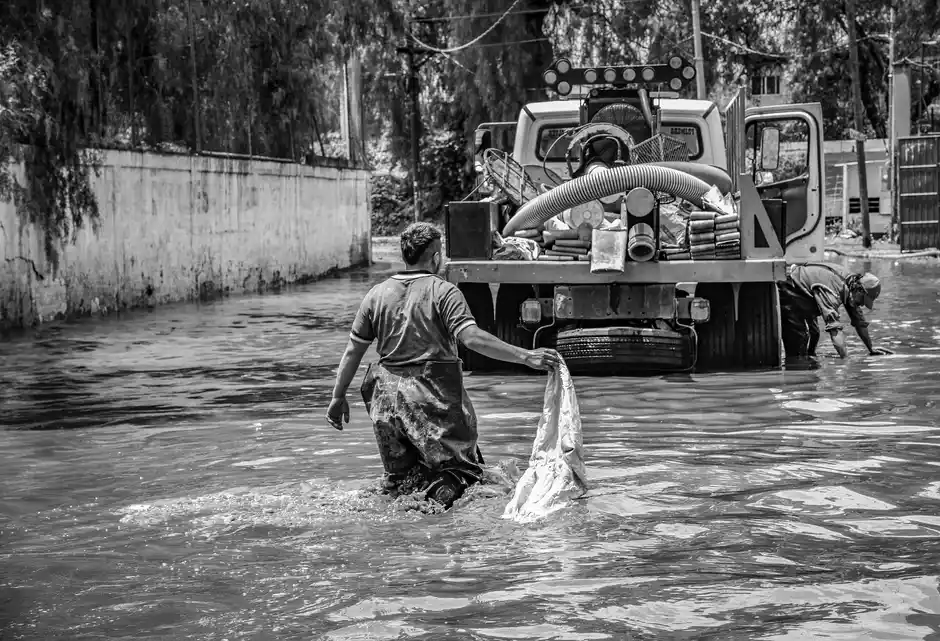 Emergency Water CleanupToilet overflows, appliance failures and supply line breaks all leave water and contamination behind. We extract, disinfect with antimicrobial solution, and clear the air with HEPA scrubbers so the space is safe to use again.Explore →
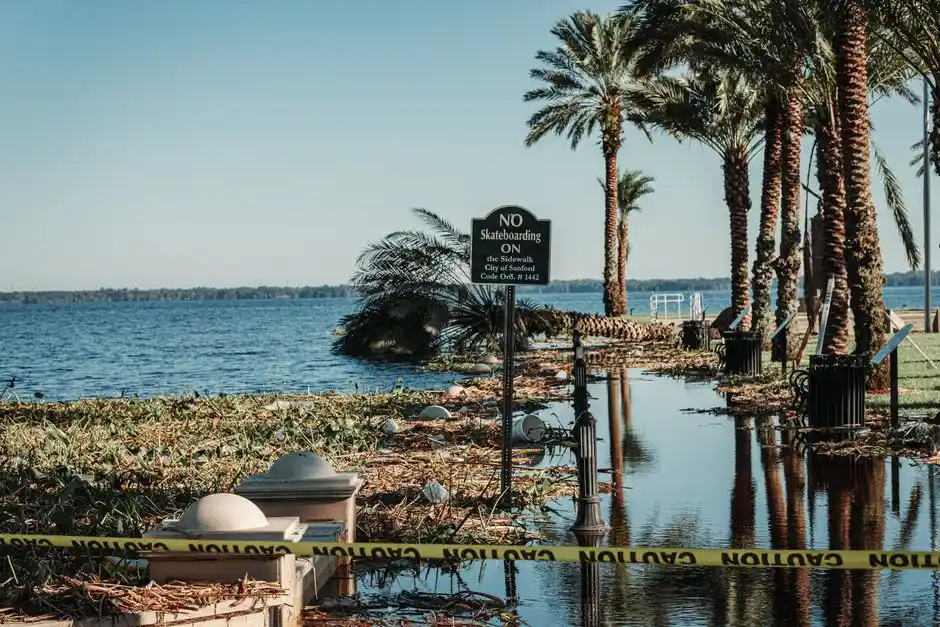 Water Damage MitigationMitigation is about stopping the damage from spreading. We extract standing water, remove saturated materials, set drying equipment, and document everything so your claim moves forward while the structure stabilizes.Explore →
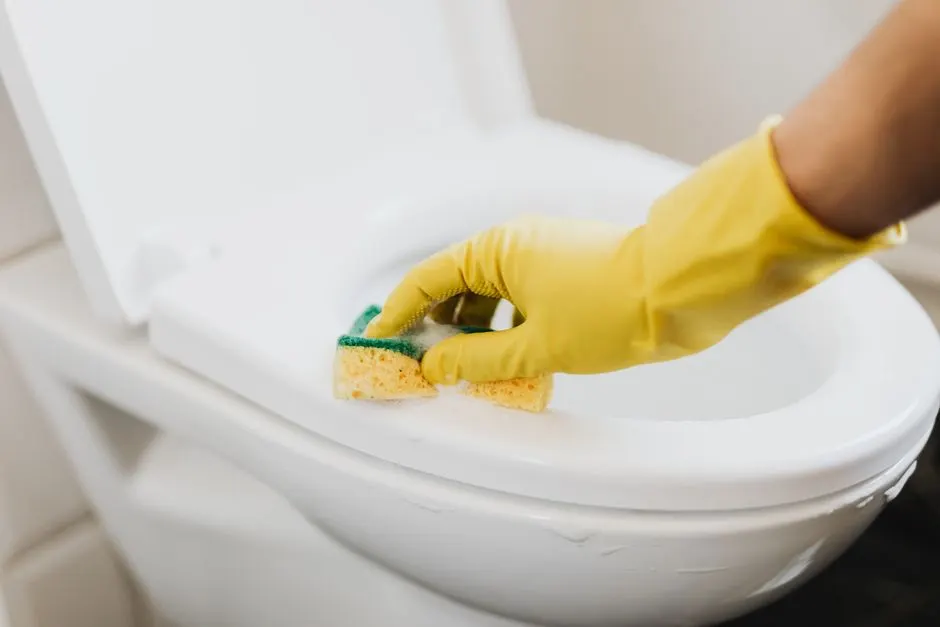 Toilet Overflow CleanupOverflow water is category 3 and needs proper handling. We extract, remove contaminated flooring and drywall, apply antimicrobial treatment, and dry the subfloor so you are not left with a permanent odor problem.Explore →
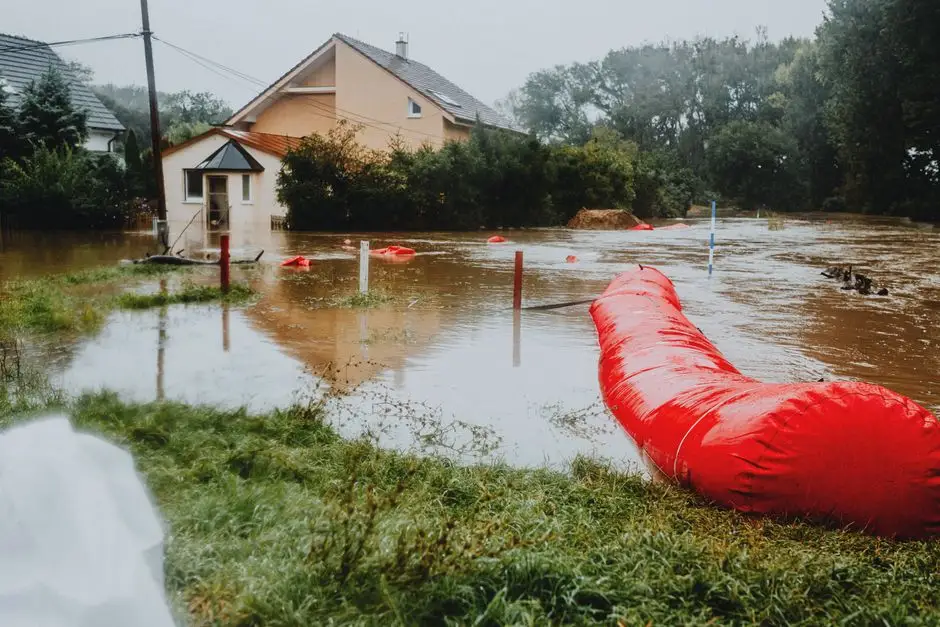 Basement Flood CleanupNewark basements flood from sump pump failure, foundation seepage and backed-up drains. We pump, extract, dry, and check the sump system so the same basement does not flood again next storm.Explore →
Every hour of standing water costs you more in drying time and replacement materials. Call (973) 973-2565 and a live technician will dispatch a crew with pumps, extractors and drying equipment already loaded. We answer 24/7, including holidays, and we cover every Newark ZIP code.
Call for emergency service (973) 973-2565 →Call us any time at (973) 973-2565 for emergency water damage restoration in Newark. We answer 24/7 and dispatch crews around the clock. For non-emergency questions or to schedule an inspection, email info@swiftreclaim.com or stop by our office. We serve all of Newark and Essex County.